
The Insurrection Act is a pivotal piece of legislation in United States history, granting the President authority to deploy military forces within the country under specific circumstances. Understanding this law is essential not only for grasping its historical significance but also for recognizing its role in contemporary governance and civil-military relations.
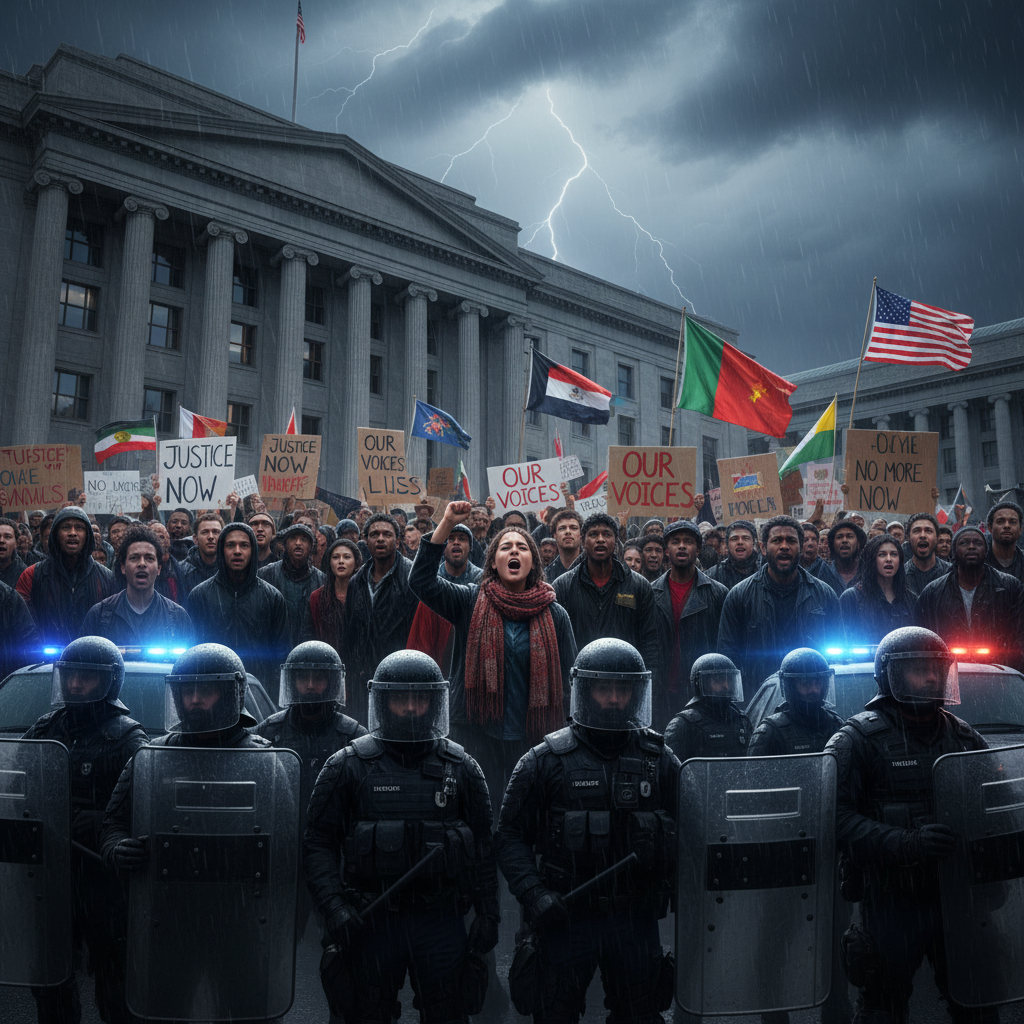
Originating in the early 19th century, the Insurrection Act was enacted to ensure the federal government had legal means to suppress civil disorders, insurrections, or rebellion. Its purpose is to empower the President to take swift action when state authorities are unable or unwilling to maintain public order. The Act is a critical legal tool that balances the exercise of federal authority against the preservation of states' rights and civil liberties.
Historical Context and Legislative Background
The Insurrection Act was first passed in 1807. It expanded on earlier measures aimed at allowing the federal government to intervene in cases of unrest or rebellion within the states. This law emerged at a time when the young nation faced challenges such as slave revolts, territorial conflicts, and internal insubordination.
The original legislation specified conditions under which the President could call upon the militia or regular armed forces to restore law and order. Over time, Congress amended the Act to clarify its provisions and adapt it to changing political and social realities. Notably, amendments in the late 19th century refined the scope and procedures for the military’s deployment domestically.
Key Provisions and Conditions for Use
The Insurrection Act allows the President to deploy the military in three primary scenarios: to suppress an insurrection, to enforce federal laws when states are unable to do so, and to protect civil rights when local authorities fail to act. In all cases, the use of military force is meant as a last resort to restore peace and order.
Before invoking the Act, the President is generally required to issue a proclamation ordering the insurgents to disperse. If this fails and conditions meet the legal threshold, federal troops may be sent into the affected areas. Importantly, the Act limits the scope and duration of military intervention, emphasizing civilian control and legal oversight.
The law also outlines the relationship between state militias and federal forces. While governors maintain authority over the National Guard, the President can federalize these forces under the Act’s provisions to ensure coordinated responses during crises.
Notable Historical Applications
Throughout American history, the Insurrection Act has been invoked on several significant occasions. One of the earliest uses was during the enforcement of the Fugitive Slave Act, where federal forces intervened to return escaped slaves, illustrating the complex and controversial nature of the Act.
During the Reconstruction era, the Act was employed to oversee and protect civil rights in Southern states recovering from the Civil War. Federal troops were dispatched to enforce laws and court orders, endeavoring to suppress violent resistance and safeguard newly freed African Americans.
More recent invocations include the integration of the University of Mississippi in 1962, where federal troops were deployed to enforce the desegregation order and maintain peace. This highlighted the Insurrection Act’s role in upholding constitutional rights when local authorities resisted federal mandates.
Legal and Ethical Considerations
The use of the Insurrection Act raises profound legal and ethical questions. Deploying military forces on American soil presents challenges regarding the balance of power, civil liberties, and federalism. Critics often fear the potential for abuse, militarization of domestic policy, and infringement on individual rights.
Legal scholars debate the Act’s parameters, particularly relating to what constitutes an insurrection or failure of local law enforcement justifying federal intervention. Moreover, the Act’s interface with the Posse Comitatus Act—which limits military involvement in civilian law enforcement—adds complexity to its application.
Courts have generally upheld the President’s authority under the Insurrection Act but stress adherence to procedural safeguards. The Act does not provide absolute power, requiring transparent justification and Congressional oversight to prevent misuse.
Modern-Day Relevance and Controversies
In the 21st century, the Insurrection Act remains a crucial, albeit contentious, tool. Its invocations are rare but gain significant attention, particularly during periods of widespread protests or civil unrest. Debates continue over the conditions under which the President should or should not use this power.
For instance, discussions around its use have surfaced during large-scale protests, such as those following incidents of police violence. Advocates argue the Act is vital for restoring order, while opponents caution against eroding democratic norms and escalating conflicts.
The evolving political and social landscape means the Insurrection Act’s relevance and interpretation are continually tested. Understanding its provisions and historical context enables citizens, policymakers, and legal experts to engage in informed discussions about its appropriate use in a democratic society.
Conclusion
The Insurrection Act stands as a testament to the challenges inherent in governance—balancing federal authority with states’ rights and protecting civil liberties amid unrest. Its history, legal framework, and applications reflect the evolving nature of American democracy and the continuing need for careful, transparent use of power.
By comprehending the Insurrection Act’s origins, provisions, and implications, individuals can better appreciate the complex dynamics at play when the federal government takes extraordinary measures to ensure peace and order. As debates about its use continue, this law remains a critical lens through which to examine the intersection of law, authority, and civil rights in the United States.



0 Comments