
A flash flood warning is an urgent alert issued when flash flooding is imminent or already occurring in a specific area. These warnings are critical because flash floods can happen suddenly, often within minutes of intense rainfall or other triggers, and can pose significant risks to life and property.
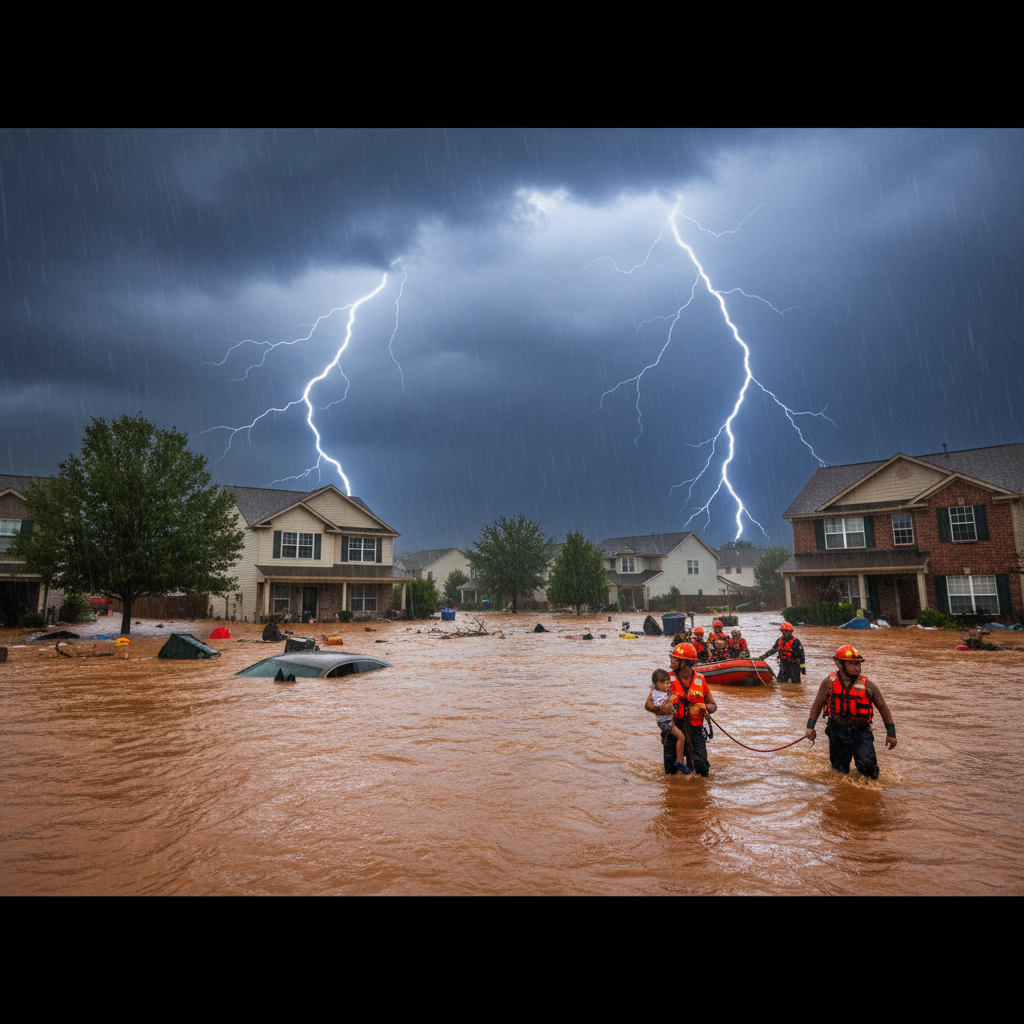
Understanding the meaning and implications of a flash flood warning can help individuals, families, and communities prepare adequately and respond effectively to avoid injury or damage. This blog post explores the causes of flash floods, what a flash flood warning entails, safety tips, and how to stay informed during these dangerous weather events.
Flash floods are a type of rapid flooding event that can occur within six hours of intense rainfall, dam breaks, or sudden water releases. Unlike regular floods, flash floods develop quickly and can sweep away cars, homes, and anything else in their path with little notice. Because of their speed and power, they are especially dangerous in urban areas where drainage systems may be overwhelmed and in mountainous or hilly terrain where water flows downhill with great force.
Flash flood warnings are issued by weather agencies like the National Weather Service (NWS) when flash flooding is either already happening or is forecasted to occur soon. These warnings supersede flood watches or advisories which indicate potential for flooding but not immediate danger. When you see a flash flood warning for your area, it means that you must take immediate action to protect yourself and your property.
One important thing to remember when a flash flood warning is issued is "Turn Around, Don't Drown." This memorable slogan reminds drivers that it is never safe to attempt to walk or drive through flooded roads. Even shallow floodwaters can incapacitate vehicles or sweep them off roads. Most flash flood fatalities occur when people try to cross floodwaters in their cars or on foot.
To better understand flash floods, it is helpful to look at some of the common causes. Heavy, prolonged, or intense rainfall is the primary trigger of flash floods. If the ground is already saturated or impervious surfaces such as concrete prevent water absorption, runoff accumulates quickly, leading to flooding. Other causes include dam or levee breaches, sudden releases from reservoirs, or rapid snowmelt.
Urban areas are often more vulnerable to flash flooding due to large amounts of paved surfaces and inadequate drainage. Stormwater systems can become overwhelmed by the volume of water during heavy rains, causing streets and basements to flood rapidly. Rural and mountainous areas can also experience flash floods triggered by localized intense storms or upstream water surges.
When a flash flood warning is issued, it is vital to stay tuned to local news, weather channels, or emergency alerts on your phone. Authorities may recommend evacuations or direct you to higher ground depending on the severity of the flood risk. Preparing an emergency kit ahead of time with essentials such as water, food, medicines, flashlight, and batteries is always a wise precaution in flood-prone areas.
During a flash flood warning, avoid low-lying areas like riverbanks, creeks, and underpasses which can flood quickly. If you are caught outdoors during a flash flood, seek higher ground immediately. Do not attempt to cross flooded roads or bridges. If inside your home, move to the highest level if evacuation is not possible, and avoid basements or ground floor rooms where flooding could be severe.
Flash flood warnings may last for several hours, but the risk can continue even after the rain subsides. Floodwaters can remain dangerous and waterlogged roads may pose hazards for days. It is important to wait for official "all clear" notifications and follow guidance from emergency responders before returning to flood-affected areas.
Communities in flood-prone regions can take steps to mitigate flash flood impacts by improving infrastructure like storm drains and flood barriers. Public education campaigns to increase awareness about flash flood risks and responses also play a crucial role. Individual preparedness, combined with community-level actions, reduces harm and speeds recovery from these unexpected disasters.
Modern technology has enhanced flash flood warning systems significantly. Doppler radar, rain gauges, satellite data, and computer modeling help meteorologists predict where flash floods may develop and issue warnings more accurately and quickly. Public alert systems including mobile notifications, sirens, and social media announcements ensure information reaches affected residents promptly.
In conclusion, a flash flood warning is a serious alert indicating rapid, dangerous flooding conditions. Recognizing this warning and responding appropriately by seeking higher ground, avoiding flooded roads, and staying informed can save lives. Preparedness before and during flash floods is key to minimizing damage and ensuring safety.
Remember, flash floods can strike with little notice but by understanding the causes, paying close attention to warnings, and taking immediate action, you can protect yourself and your loved ones. Stay alert, be prepared, and never underestimate the power of a flash flood warning.



0 Comments