
Former President Donald Trump's speech at the World Economic Forum in Davos is one of the most talked-about political events in recent years. His address not only highlighted the United States' economic achievements but also set the tone for global economic discussions. As an influential figure, Trump's Davos speech provides insights into his administration's policies and their implications for international relations and trade.
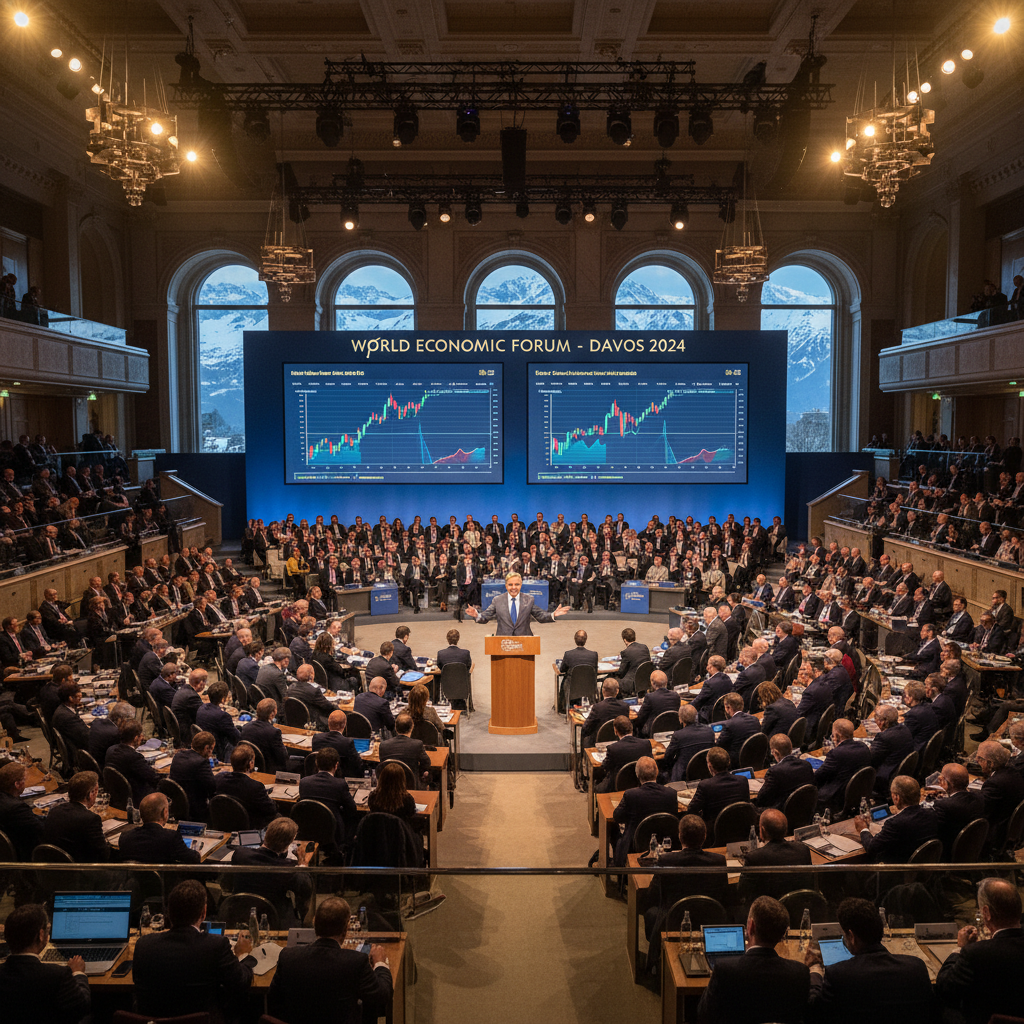
The speech, delivered at this premier global forum, is a strategic tool for showcasing America's economic strength. Trump emphasized the robust growth, low unemployment rates, and favorable business climate under his leadership. His message was clear: The United States is open for business and ready to lead in the global market. This stance was aimed at attracting foreign investments and encouraging international cooperation based on mutual benefits.
One of the critical themes of the Trump Davos speech was his administration's commitment to deregulation and tax cuts. Trump credited these policies for revitalizing American industries and fostering job creation. This narrative was reinforced by pointing out how these measures helped small businesses thrive and increased consumer confidence. By sharing this success story on such a global platform, Trump sought to influence other nations to rethink their economic policies through a pro-growth lens.
Furthermore, Trump's speech touched upon the importance of fair trade. He argued against trade deals he considered unfavorable to the United States, advocating for renegotiations and more balanced agreements. This perspective aligns with his broader America First policy, which prioritizes American workers and industries. His emphasis on trade fairness resonated with many global leaders who face similar challenges in their domestic markets.
Trade negotiations and tariffs were another major point in the address. Trump outlined the administration's efforts to ensure that trade relationships benefit the U.S. economy without compromising national security. His firm stance on tariffs aimed to protect American industries from unfair foreign competition. The speech also suggested a willingness to engage in dialogue to resolve trade disputes but under terms favorable to the United States.
In addition to economic topics, the Trump Davos speech briefly addressed the significance of innovation and technological advancement. Trump highlighted initiatives to boost American leadership in emerging technologies, including artificial intelligence and cybersecurity. He stressed that maintaining technological superiority is essential for national security and economic prosperity.
Beyond economics, Trump also spoke about the importance of strong national sovereignty and security in an interconnected world. He argued that each country should determine its path without undue influence. This message reflected a more nationalist approach contrasting with previous globalist trends. It stirred varying reactions among international attendees, sparking debates about globalization's future direction.
Analyzing the impact of Trump's Davos speech reveals several layers. Domestically, it reinforced the administration's key priorities and sought to maintain public support. Internationally, it communicated America's firm stance on trade and economic policy, signaling potential shifts in global cooperation frameworks. Allies and competitors alike carefully considered these messages when planning their economic strategies.
The speech also had a significant media impact, shaping public perception about the Trump administration’s approach to global economics. Media coverage varied from praise for economic achievements to criticism of protectionist tendencies. This polarization highlighted the ongoing debate about globalization, national interests, and economic policy effectiveness in a rapidly changing world.
In the context of Davos, an event known for promoting multilateral dialogue and collaboration, Trump's speech introduced a distinctive voice advocating for national interests. This divergence prompted discussions about how global economic forums might evolve in response to emerging political and economic realities. The speech contributed to redefining the tone and substance of international economic discourse.
To summarize, the Trump Davos speech was a pivotal moment for conveying America’s economic narrative on the world stage. It underscored themes of economic growth, fair trade, deregulation, and national sovereignty. The address influenced not only policy dialogues but also how global leaders perceive U.S. economic strategy in a complex international environment.
For businesses and policymakers, the speech offered practical insights into the U.S. economic environment and trade outlook. Understanding its key messages can help anticipate future trends and prepare for shifts in global commerce. It also underlines the importance of balancing national priorities with global engagement to achieve sustainable economic progress.
In conclusion, Trump's speech at Davos remains a significant reference point for analyzing current and future U.S. economic policies and their global ramifications. Its comprehensive coverage of trade, regulation, innovation, and sovereignty makes it essential for anyone interested in international relations and economic strategy. Keeping abreast of such speeches helps decode the evolving landscape of global economics shaped by political leadership.



0 Comments