
The recent decision by the US Supreme Court to allow California to implement a new congressional voting map has sparked significant discussion and analysis across the nation. This ruling, which clears the way for California's voting districts to favor Democratic candidates, highlights the court's influential role in shaping political landscapes through its national rulings. Understanding the implications of this decision is essential for grasping how judicial actions can affect voting power and political representation.
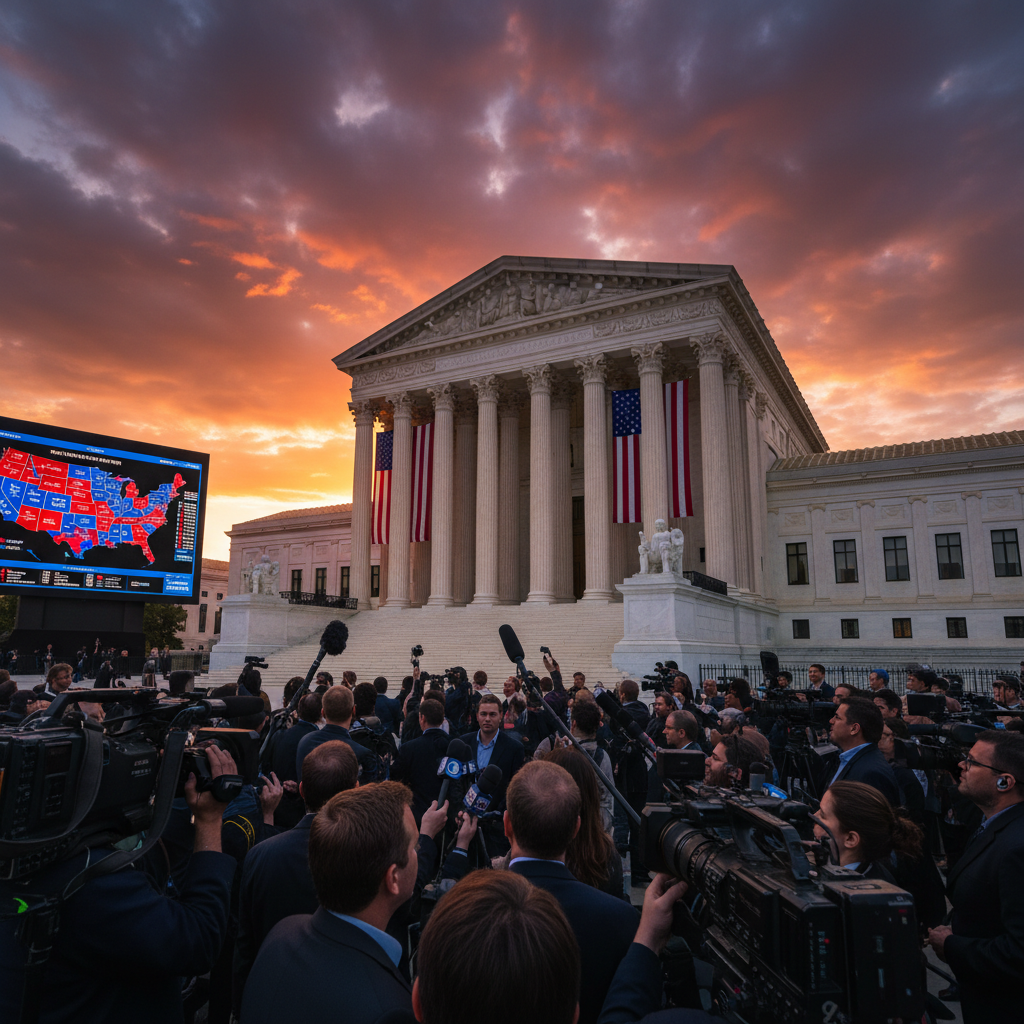
The Supreme Court's acceptance of California's new voting map is notable because it endorses district boundaries that critics argue disproportionately advantage Democrats. This development raises important questions about the fairness of redistricting processes and the judicial standards applied to challenges against them. By permitting this map to stand, the court effectively affirms the legality of district adjustments that could shift the balance of political power in the state's congressional representation.
Voting maps, also known as electoral district boundaries, determine how communities are grouped for the purpose of elections. When these boundaries are redrawn, they can significantly influence electoral outcomes, sometimes leading to accusations of gerrymandering—where lines are manipulated to favor a particular party. The Supreme Court's ruling in favor of California's map serves as a precedent that may affect similar disputes nationwide, where courts must weigh the tensions between partisan interests and constitutional principles.
The ruling aligns with broader trends in the court’s recent national rulings, where the justices have shaped the legal framework governing elections and voting rights. By affirming such a voting map, the Supreme Court contributes to ongoing debates about the extent to which courts should intervene in state-level redistricting decisions. This decision underscores the court’s role not just as an arbiter of law but as a critical player influencing democratic processes across the country.
Experts emphasize that while the ruling benefits the Democratic Party in California by safeguarding districts favorable to them, it also provokes contentious discourse about equal representation. The debate extends to how the Voting Rights Act and constitutional clauses like the Equal Protection Clause are applied in assessing redistricting cases. Dissenting opinions often highlight concerns regarding electoral fairness and the dilution of minority voting strength.
Moreover, the ruling has national implications, as it could embolden other states to pursue partisan maps with the expectation of judicial tolerance or support. This prospect raises alarms among voting rights advocates who call for independent commissions or more transparent criteria to guide the redistricting process. Ensuring fair representation remains a cornerstone of American democracy, and the Supreme Court's stance on these matters is critical for future electoral integrity.
California’s case reflects the complex interplay between state sovereignty in managing elections and federal oversight through judicial review. Historically, the Supreme Court has grappled with where to draw the line between legitimate political considerations and unconstitutional gerrymandering. This latest decision adds a significant chapter to that ongoing legal saga, reinforcing the challenges in balancing political strategy with voters’ rights.
The court's ruling also intersects with broader political dynamics as the 2024 elections approach, possibly influencing congressional control and policy directions. Redistricting outcomes materially affect which candidates win seats and thus the legislative agenda on pressing national issues. As a result, the Supreme Court decision on California's voting map is not just a local matter but one with ripple effects throughout federal governance.
In conclusion, the Supreme Court's acceptance of California's new congressional voting map marks a pivotal moment in US election law. It serves as a critical reference point for how national rulings continue to shape state electoral boundaries and, by extension, political power. Stakeholders from policymakers to voters should closely monitor these developments to understand their implications for democratic representation and election fairness nationwide.



0 Comments