
South Carolina is currently witnessing a significant surge in measles vaccination rates, a development that marks a crucial advance in the state’s public health efforts. This increase reflects growing awareness among residents about the importance of immunization against measles, a highly contagious viral disease that can lead to serious complications and outbreaks if left unchecked.
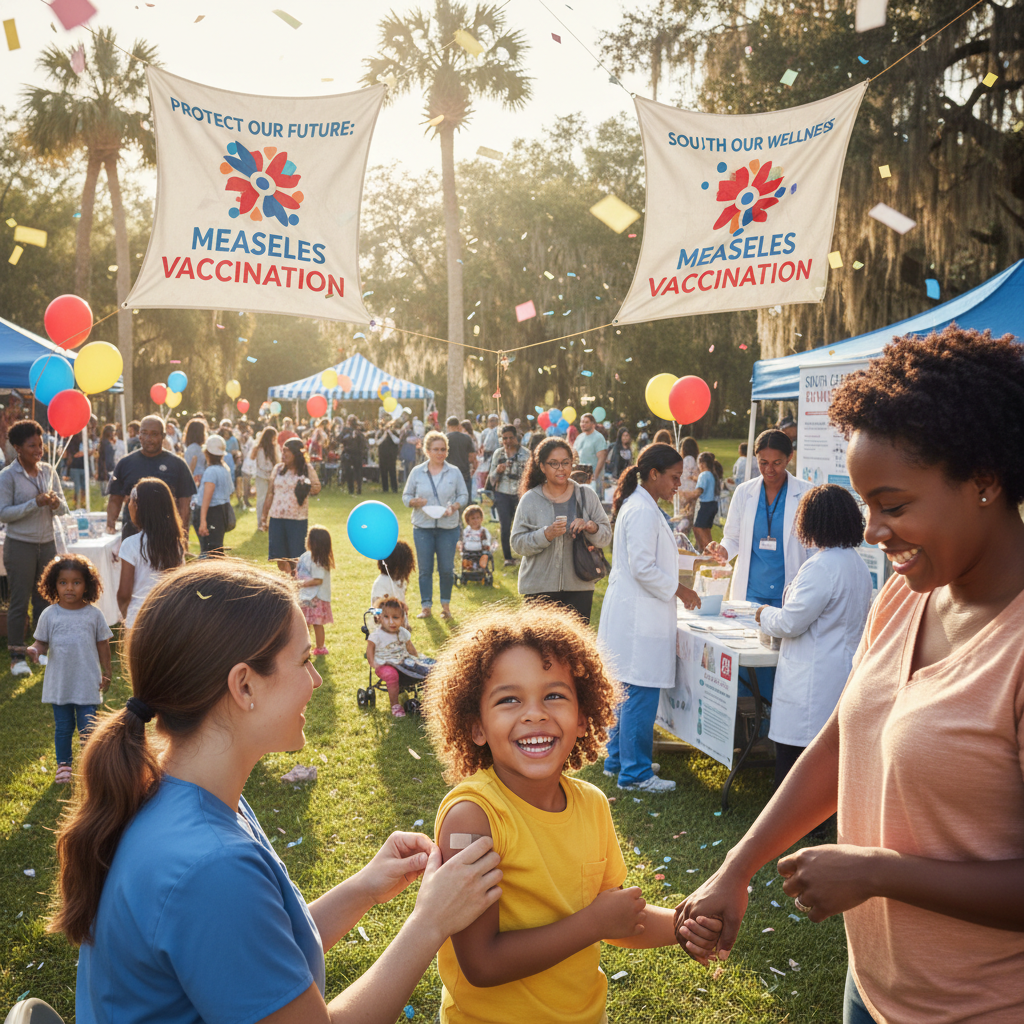
The recent boost in vaccine uptake is attributed to multiple factors including intensified public health campaigns, increased accessibility of vaccines, and collaborative efforts between healthcare providers and state authorities to combat misinformation about vaccines. By focusing on these elements, South Carolina aims to bolster herd immunity, reducing the spread of the measles virus and protecting vulnerable populations such as infants, elderly individuals, and those with compromised immune systems.
Measles remains one of the most contagious diseases, transmitting through respiratory droplets when an infected person coughs or sneezes. Symptoms typically include high fever, cough, runny nose, red eyes, and a characteristic rash. While many recover without complications, some cases can escalate to severe outcomes like pneumonia, encephalitis, and even death. Vaccination, therefore, is the most effective preventive measure available, helping to break the chain of transmission and protect entire communities.
Historically, vaccination programs across the United States have significantly reduced measles cases, with the disease nearing elimination due to widespread immunization. However, vaccine hesitancy and misinformation have led to localized outbreaks in recent years, emphasizing the importance of continuous education and access to vaccinations. In South Carolina, these recent efforts to increase vaccination coverage are a direct response to previous measles flare-ups that threatened public health stability.
The South Carolina Department of Health and Environmental Control (DHEC) has played an instrumental role by disseminating accurate information about vaccine safety and efficacy. Medical professionals and public health workers have conducted outreach in communities with low vaccination rates, providing education and resources tailored to specific concerns. This approach has not only improved awareness but also addressed questions and dispelled myths that often hinder immunization efforts.
One notable strategy involves schools, where vaccination requirements for enrollment have helped boost immunization rates among children. Ensuring that students are vaccinated against measles before entering school settings helps prevent outbreaks in these environments where transmissibility can be high due to close contact. Parents are also encouraged to discuss the benefits of vaccination with their healthcare providers to make informed decisions for their families.
Accessibility has also improved markedly in South Carolina, with clinics offering expanded hours and vaccination drives in both urban and rural areas. Mobile vaccination units have been deployed to reach isolated communities, ensuring that geographic and transportation barriers do not prevent individuals from receiving the measles vaccine. These efforts contribute significantly to increasing overall vaccine coverage across the state.
Public health officials have highlighted the critical role of the measles-mumps-rubella (MMR) vaccine, which is typically administered in two doses. The first dose is recommended at 12-15 months of age, with a booster between 4-6 years. This two-dose schedule is key to achieving immunity in the vast majority of those vaccinated. Adults who have not been vaccinated or lack immunity are also encouraged to get the MMR vaccine, especially those traveling internationally or working in healthcare settings.
Alongside vaccination, surveillance and rapid response actions are integral to containing potential outbreaks. The state continues to monitor measles cases closely, employing prompt contact tracing and isolation measures whenever new cases are detected. These measures, combined with rising vaccination rates, contribute to interrupting transmission chains and preventing larger outbreaks.
Education remains an ongoing priority. Public health campaigns utilize multiple platforms, including social media, local news, and community events, to spread awareness about measles and the lifesaving benefits of vaccination. Messaging efforts focus on making the information easily understandable, culturally sensitive, and accessible to all demographics within South Carolina’s diverse population.
Healthcare providers also play a vital role by proactively discussing vaccination status during routine medical visits. They can identify individuals who need vaccines and provide immediate access during appointments. This proactive approach is especially important for infants approaching vaccination age and adults who may have missed early childhood immunizations.
The measles vaccination surge in South Carolina is a strong indicator of the community’s commitment to public health and disease prevention. By combining education, accessibility, and supportive policies, the state is moving toward a safer environment that reduces the risk of measles outbreaks and protects the health of all its residents.
Looking ahead, maintaining high vaccination coverage will be essential to sustaining these gains. Continual efforts to address vaccine hesitancy, ensure easy access to vaccines, and keep the public informed will remain priorities for South Carolina’s public health authorities. Collaboration between state agencies, healthcare providers, schools, and communities will be the foundation of ongoing success.
In summary, the measles vaccination surge in South Carolina represents a vital step in safeguarding population health. It demonstrates the power of coordinated public health initiatives and community engagement in combating preventable infectious diseases. Continued vigilance and commitment to immunization will help prevent future outbreaks and ensure healthier generations to come.



0 Comments