
In recent times, the announcement that the US freezes visa processing has caused significant concern for millions worldwide who seek to visit, work, or study in the United States. This move, driven by various administrative and geopolitical factors, directly impacts individuals awaiting visa interviews, application results, and travel plans.
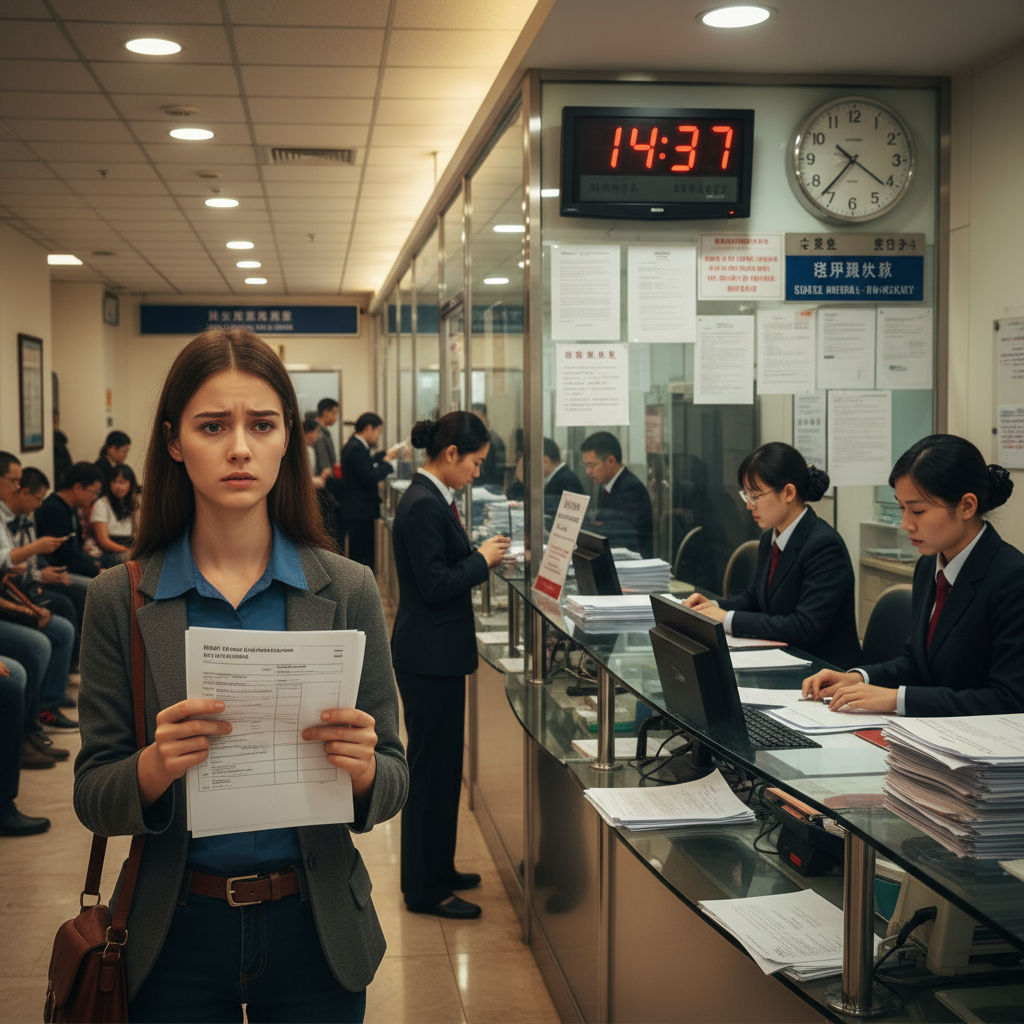
The freeze in visa processing refers to the temporary halt or suspension of processing new visa applications or renewing existing ones by US embassies and consulates abroad. This situation can emerge due to multiple reasons, including security reviews, policy changes, staffing challenges, or global events impacting diplomatic operations. The immediate effect is delays and uncertainty for applicants worldwide, disrupting academic pursuits, employment opportunities, and family reunifications.
This blog post delves comprehensively into what it means when the US freezes visa processing, the underlying reasons, affected visa categories, consequences for applicants, and what to expect moving forward. We also explore how you can prepare or respond to these changes effectively to minimize disruption in your plans.
Understanding the Reasons Behind the US Visa Processing Freeze
Visa processing involves complex procedures that require thorough security screening, consular interviews, approval workflows, and document verification. When the US government announces a freeze, it usually aims to reassess and tighten these protocols, enhance national security measures, or respond to unprecedented events such as pandemics or diplomatic tensions.
One common cause lies in administrative changes, like the introduction of stricter vetting processes for certain nationalities, or tightening criteria amid immigration reform efforts. Additionally, the pandemic prompted embassies to close or reduce in-person appointments, causing backlogs that contributed to the freeze announcements.
Another factor could be geopolitical tensions affecting specific regions, leading to temporary suspension of visa services in those areas. Security threats or intelligence insights may prompt urgent pauses to reassess applicant backgrounds and consular processes to safeguard US interests.
Which Visa Categories Are Most Affected?
The US visa system comprises various types including tourist visas (B-1/B-2), student visas (F and M), work-related visas (H-1B, L-1), immigrant visas, and others. When the US freezes visa processing, the specific categories impacted may vary depending on the official directive and location.
Student visa applicants often face significant delays, risking enrollment deadlines in US universities. Work visa processing might stall, affecting skilled professionals and corporations reliant on international talent. Moreover, family-based visa applicants could find themselves separated longer from loved ones due to pending petitions and interviews.
It is crucial for applicants to check with their local US consulate or embassy updates to confirm which visa classes are halted, as some essential and diplomatic categories might continue processing with priority.
The Impact on Global Mobility and International Relations
The freeze on US visa processing contributes to a broader challenge in global mobility, affecting tourism, education, business, and cultural exchange. Countries globally depend on the US for opportunities, and visa disruptions echo through economies and communities alike.
International students confront uncertainties in their academic journeys, businesses face talent shortages or delays in operations, and families experience prolonged separations. The freeze can strain diplomatic relations, especially when prolonged or perceived as politically motivated, affecting cooperation on multiple fronts.
Furthermore, the global travel industry, already fragile from recent health crises, faces additional setbacks. Airlines, hotels, and service sectors connected to US-bound travelers may suffer economically from visa-related delays or cancellations.
How Applicants Can Navigate the Freeze Effectively
While the US freezes visa processing presents challenges, applicants can take proactive steps to manage the situation:
- Stay Informed: Regularly check US embassy websites, official social media channels, and trusted news outlets for the latest updates on visa processing status.
- Document Preparation: Keep all your application materials updated, accurate, and ready. Having complete documentation can help expedite processing when services resume.
- Consider Alternative Plans: Explore other countries' visa options or programs that may support your travel, study, or work ambitions during the freeze.
- Reach Out for Guidance: Consult immigration attorneys or accredited representatives who can provide tailored advice based on current policies.
- Patience and Flexibility: Understanding that these freezes respond to broader security and administrative needs can help applicants maintain perspective during waiting periods.
The Future of US Visa Processing: Anticipated Developments
Experts predict that visa processing will gradually resume with enhancements focused on security, efficiency, and digital transformation. The US government has been investing in advanced technologies to streamline visa workflows, reduce fraud, and improve applicant experience.
Additionally, as global conditions stabilize, embassies worldwide aim to clear backlogs faster and expand appointment availability. Applicants could expect improved online platforms, virtual interviews, and better communication channels, reducing the reliance on physical consular visits.
Nevertheless, geopolitical and health factors remain unpredictable variables that could influence future visa policies and freeze occurrences. Ongoing dialogue between governments, advocacy from affected communities, and transparent communication will be critical in shaping a responsive and fair visa environment.
Key Takeaways
To summarize, the US freezes visa processing primarily due to security, administrative, and global situational factors, impacting multiple visa categories and millions of applicants. This pause challenges international mobility but is often temporary, with the goal of upholding national security and improving processing integrity.
Applicants should stay informed, prepare their documentation diligently, and seek professional advice when needed. Keeping abreast of embassy updates and being adaptable in travel and study plans will be essential during this period.
By understanding the reasons, effects, and ways to navigate the freeze, individuals and families can better manage disruptions and prepare for future opportunities to engage with the United States through visas.



0 Comments