
The ongoing discussions and negotiations involving Senate Democrats concerning the potential government shutdown have become a focal point in American politics. The threat of a shutdown looms as critical funding deadlines approach, putting immense pressure on lawmakers to reach agreements. Senate Democrats play a crucial role in either averting or contributing to this government shutdown scenario.
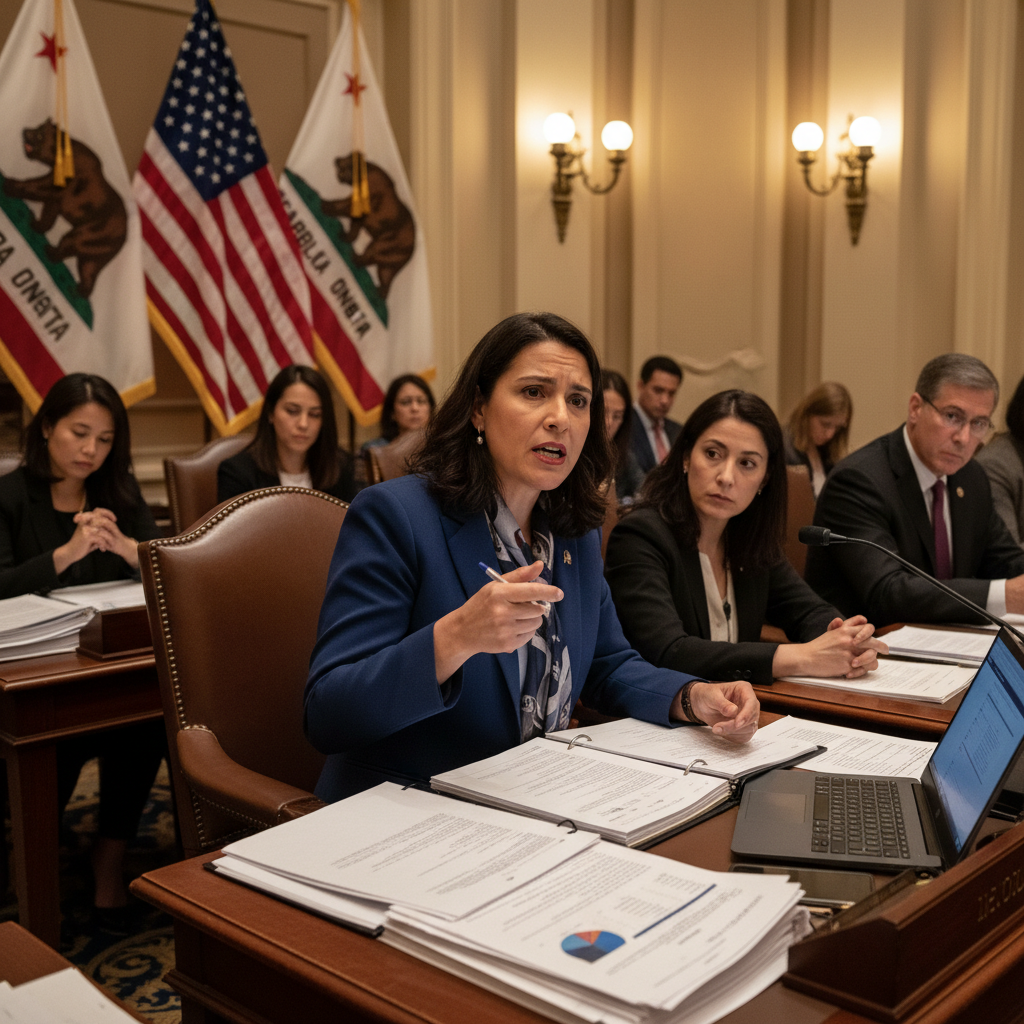
Government shutdowns occur when Congress fails to pass sufficient appropriation bills or continuing resolutions to fund federal government operations and agencies. This often results in a partial suspension of government services and furloughs of federal employees. Senate Democrats have historically been central figures during these shutdown negotiations, either advocating for funding on specific issues or opposing measures they find inadequate.
One of the pressing causes of government shutdown debates in the Senate is the divergence between the two major parties on key budget priorities and policy enactments. Senate Democrats tend to push for increased funding towards social programs, healthcare, and climate initiatives. Meanwhile, opposition parties often emphasize spending cuts or different budget priorities, leading to deadlocks. This partisan divide can directly set the stage for a government shutdown if compromises aren't reached in time.
The role of Senate Democrats during these moments is multifaceted. They must negotiate with their counterparts, balance the diverse interests within their caucus, and respond to public opinion and media scrutiny. This delicate balancing act requires strategic planning and messaging to maintain public support while advocating for the policy goals that they believe are essential. Senators like Chuck Schumer, the Democratic leader, often become the face of these negotiations, articulating the party’s stance and seeking allies to prevent prolonged shutdowns.
Understanding the mechanisms behind a government shutdown in Washington helps to appreciate the stakes for Senate Democrats. Federal agencies depend on Congress’s approval to allocate funds for operations ranging from national security to education and healthcare. A shutdown not only disrupts government services but also affects the economy, public trust, and global perceptions of U.S. governance. For Senate Democrats, preventing these adverse outcomes is a priority, as an extended shutdown could weaken public confidence in their leadership.
In recent years, Senate Democrats have emphasized policies that reflect progressive values and respond to urgent national needs. Their budget proposals often include investments in infrastructure, environmental initiatives, and social equity programs. These priorities sometimes conflict with Republican proposals focused on deficit reduction and limited government spending. The deadlock resulting from these opposing fiscal ideologies heightens the risk of shutdowns, making negotiations more complicated.
Moreover, Senators must also consider political ramifications beyond the immediate fiscal year. Shutdown negotiations influence electoral strategies, party unity, and legislative agendas. Senate Democrats therefore approach these standoffs cautiously, mindful that a perceived failure to compromise or to provide effective governance could impact the party’s position in upcoming elections.
The public often views a government shutdown with frustration, and Senate Democrats are acutely aware of the consequences. Communication strategies deployed by Democratic leaders aim to highlight the opposition's role in stalling funding or to explain the party’s policy-driven demands. This narrative shaping is critical in maintaining voter support during contentious budget battles.
Practical measures taken by Senate Democrats to avoid shutdowns have included advocating for bipartisan temporary funding bills or developing broader budget agreements that accommodate key priorities on both sides. However, the urgency associated with limited negotiation time often restricts these ideal outcomes, leading to brinkmanship and political showdowns on the Senate floor.
Another dimension of the shutdown debate involves the broader political environment, such as presidential agendas and House of Representatives dynamics. Senate Democrats must often synchronize their strategies with the executive branch’s priorities while navigating House negotiations where the opposing party may hold a majority. This tripartite interaction adds complexity to the shutdown calculus.
In analyzing the impact of a potential government shutdown, Senate Democrats weigh considerations like federal employee welfare, economic disruptions, and national security implications. The longer a shutdown lasts, the greater the damage to these areas, intensifying the pressure to find solutions swiftly.
Looking forward, Senate Democrats continue to explore legislative approaches that aim to minimize the risk of shutdowns, such as advocating for longer-term budget deals and reforms to the appropriations process. These efforts reflect a recognition that persistent shutdown threats undermine governmental stability and public confidence.
The history of government shutdowns in the U.S. Senate reveals patterns wherein Senate Democrats have both been defenders of increased funding and opponents to austerity measures. This history informs current debates and strategies, adding context to their involvement in the shutdown issue.
Ultimately, the issue of a government shutdown is as much about policy as it is about political power and negotiation tactics. Senate Democrats' role encompasses championing their policy goals, protecting democratic processes, and steering the government away from operational disruptions.
In conclusion, Senate Democrats play a pivotal role in government shutdown scenarios. Their negotiation tactics, policy priorities, and political calculations shape the outcomes of these critical budget battles. As the deadline for funding continues to approach, the Senate Democratic leadership remains under intense scrutiny to balance partisan demands and governance responsibilities, aiming to avoid a shutdown that could have far-reaching consequences for the nation.



0 Comments