
Experiencing a snow storm in NYC can be both awe-inspiring and challenging. With its bustling streets and iconic landmarks, New York City undergoes a dramatic transformation under a blanket of snow. Understanding how to prepare for, respond to, and recover from these winter weather events is crucial for residents and visitors alike. This comprehensive guide explores everything you need to know about snow storms in NYC, from weather patterns to safety tips and community resources.
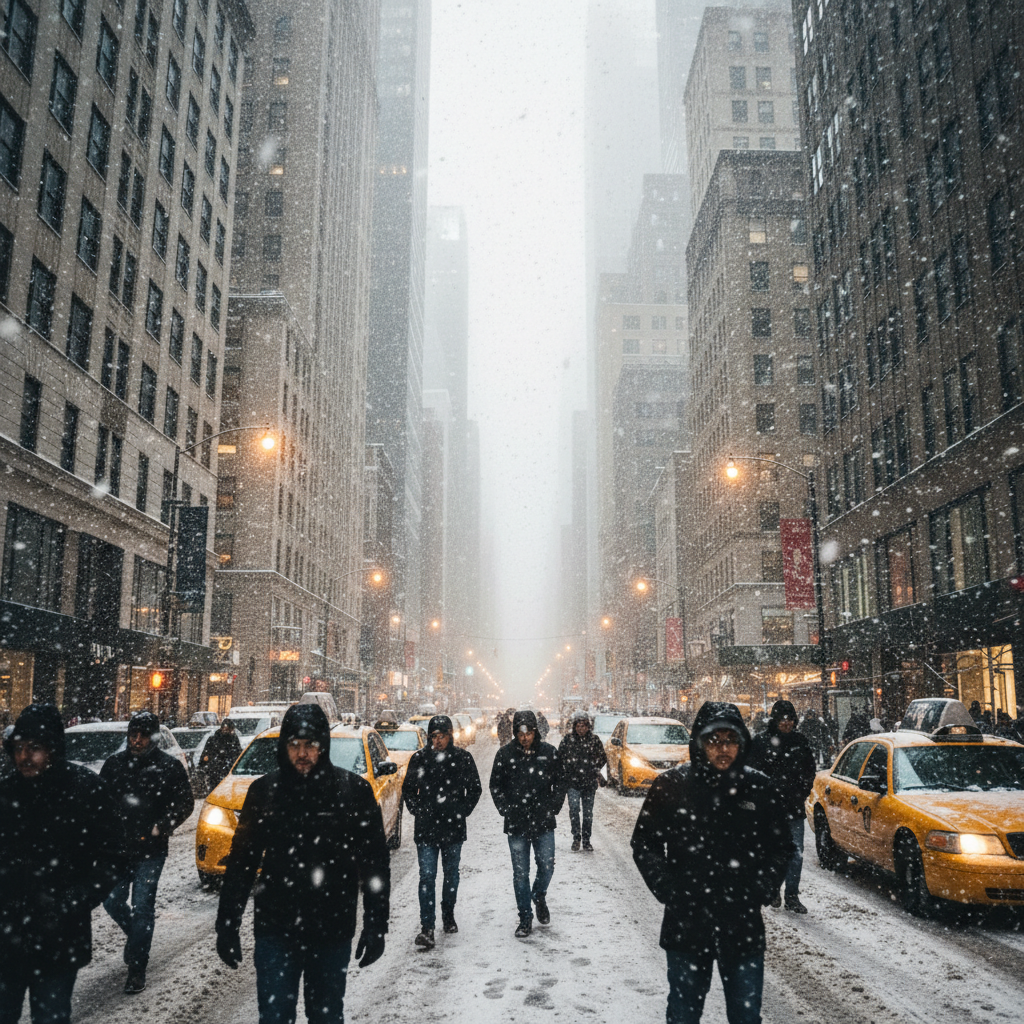
New York City is no stranger to snow storms, often witnessing heavy snowfall during the winter months, particularly between December and March. These storms can vary from light flurries to major nor'easters that dump several feet of snow in a short time period. The city's geography and coastal location make it vulnerable to these intense weather systems, which can disrupt daily life, transportation, and city operations.
The impact of a snow storm in NYC is far-reaching, affecting millions of people and essential services. Snow accumulation leads to slippery sidewalks, hazardous road conditions, and potential power outages. The city's public transit system—subways, buses, and commuter rails—may experience delays or closures, complicating commutes and travel plans. Furthermore, emergency services face increased demands during such events, responding to weather-related accidents and medical emergencies.
Preparing for a snow storm in NYC involves proactive steps that can help residents stay safe and comfortable. It is important to stay updated on weather forecasts from reliable sources such as the National Weather Service and local news channels. Emergency kits equipped with essentials like bottled water, non-perishable food, flashlights, batteries, and blankets should be readily available. Moreover, creating a communication plan with family members and neighbors can provide support during prolonged storms.
Cities like New York deploy extensive snow removal strategies to manage heavy snowfall. The NYC Department of Sanitation mobilizes hundreds of plows and salt spreaders to clear major roads and ensure essential connectivity. However, it is advisable for residents to avoid unnecessary travel during the height of the storm and to only venture out when roads are confirmed safe. Pedestrians should exercise caution when walking on icy surfaces and wear appropriate winter footwear.
Snow storms in NYC also highlight the importance of community resilience and cooperation. Volunteer groups and nonprofit organizations often extend assistance by delivering food and heating supplies to vulnerable populations, including the elderly and homeless. Warming centers are typically opened to provide shelter for those in need, emphasizing the city's commitment to public welfare during severe weather conditions.
Energy consumption spikes during snow storms due to increased heating demands, which can strain the electrical grid. Residents can contribute by conserving energy where possible, such as using programmable thermostats, ensuring proper insulation of their homes, and avoiding the overuse of electrical appliances. Additionally, the city promotes awareness of energy-saving practices during the winter season to mitigate outages and environmental impact.
Transportation adjustments during snow storms include the suspension of some bus routes and modified subway schedules. For commuters, staying informed about transit updates via the Metropolitan Transportation Authority (MTA) website and mobile apps helps in planning alternative routes or telecommuting options. Taxi services, ride-sharing, and bike-sharing programs may also be affected, so flexibility and advance planning are essential.
Residents should also be aware of NYC’s snow emergency routes, which require parking restrictions to facilitate efficient snow plowing. Violating these restrictions can result in fines or towing. It is advisable to monitor local alerts and promptly move vehicles as directed to aid the city's snow removal efforts. Understanding these regulations supports smoother recovery after a storm.
Snow storms can bring unique recreational opportunities, such as sledding in Central Park, ice skating at outdoor rinks, and photography of the picturesque snowy urban landscape. However, engaging in outdoor activities requires attention to safety—dressing warmly in layers, carrying a fully charged cell phone, and recognizing early signs of frostbite or hypothermia are crucial to enjoying winter safely.
The economic impact of a snow storm in NYC cannot be overlooked. Businesses may face temporary closures or reduced customer traffic, impacting revenue. On the other hand, the winter season boosts certain sectors like retail, winter apparel, and snow removal services. Understanding these dynamics can help entrepreneurs and workers navigate the seasonal challenges and opportunities.
School closures are common during significant snow storms, prompting the need for parents to arrange childcare or facilitate remote learning. The NYC Department of Education provides timely notifications and resources to support students and families during weather disruptions. Maintaining regular communication with schools ensures that students remain engaged and safe.
The history of snow storms in NYC offers valuable lessons in preparedness and adaptation. From the Great Blizzard of 1888 to more recent nor'easters, the city has evolved in infrastructure and emergency management. Today, advanced meteorological forecasting, coordinated city services, and community awareness contribute to mitigating the adverse effects of winter storms.
In conclusion, a snow storm in NYC is a significant event that transforms the city’s landscape and daily routines. Proper preparation, awareness of safety protocols, and community cooperation can greatly reduce the risks associated with heavy snowfall. By staying informed and responsive, residents and visitors can navigate winter storms with confidence and resilience, turning challenges into opportunities to appreciate the unique beauty of a snowy New York City.



0 Comments