
Marvel Rivals represent one of the most thrilling aspects of the Marvel universe, highlighting epic battles, intense competitions, and rivalries that have shaped beloved characters and storylines over the years. These rivalries not only provide adrenaline-pumping action but also deepen the emotional and moral complexities of heroes and villains alike. Whether you are a fan of the comics, movies, or the gaming world, understanding Marvel rivals enriches your appreciation of the intricate Marvel narrative.
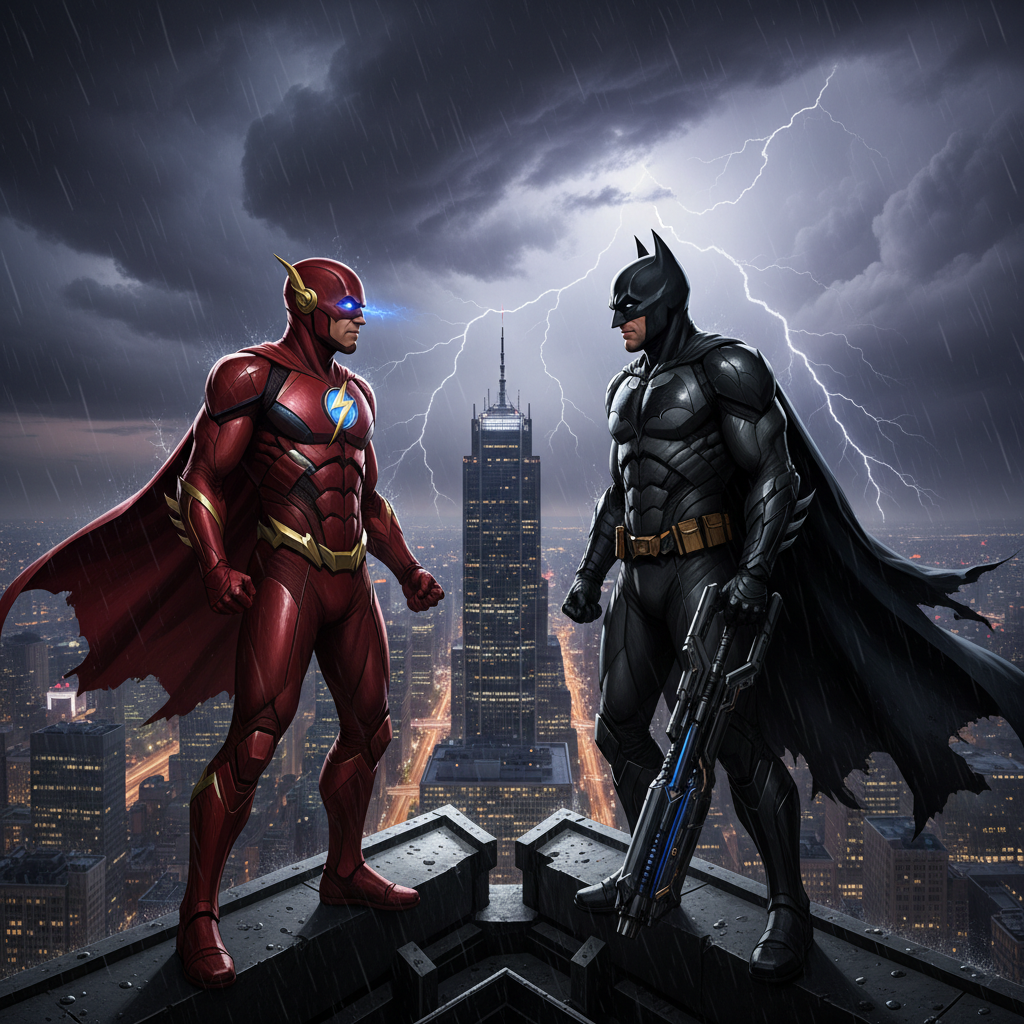
At the heart of Marvel rivals are classic conflicts that have captivated audiences for decades. These rivalries are not just physical confrontations but also battles of ideology, willpower, and destiny. For instance, the legendary feud between Spider-Man and the Green Goblin perfectly illustrates a rivalry where personal vendettas fuel seemingly endless clashes. Both characters represent dual sides of responsibility and chaos, challenging each other’s beliefs and pushing their limits.
Similarly, within the X-Men universe, the rivalry between Professor X and Magneto explores a deeper, philosophical conflict. These two former friends stand on opposite ends of a spectrum regarding mutant-human relations. Their battles—both physical and ideological—are important elements that define the X-Men’s narrative, making it rich and thought-provoking beyond the usual superhero fare.
When considering Marvel rivals, it's impossible to overlook the dynamic between Iron Man and Captain America. Their rivalry comes into focus especially during the “Civil War” storyline, where personal beliefs and government oversight clash, leading to a division among the Avengers. This storyline is pivotal as it showcases how even heroes can become adversaries when driven by strong convictions.
Marvel’s strength in creating engaging rivals also extends into its vast rogue galleries. Characters like Thor and Loki provide a unique mix of sibling rivalry and mythological grandeur which sets them apart. Loki’s cunning and desire for power often put him in opposition to Thor’s noble heroism, making their confrontations layered with emotional weight and complex character development.
Another iconic rivalry that has spanned centuries is the battle between Daredevil and the Kingpin. This conflict is a constant tug-of-war between justice and corruption in the gritty streets of Hell's Kitchen. Daredevil’s relentless pursuit of righteousness contrasts sharply with Kingpin’s influence and control over the criminal underworld, creating a tension-packed rivalry that remains highly relevant.
In the realm of Marvel video games, the concept of Marvel rivals is brought to life vividly. Titles like "Marvel Rivals" and other fighting games leverage these well-known rivalries to craft thrilling player experiences. Gamers get the chance to pit heroes against villains or hero versus hero in epic showdowns, capturing the essence of the Marvel rivalry culture. These games often incorporate deep lore to keep fans engaged, making the rivalry feel authentic and exciting.
Understanding Marvel rivals also involves appreciating how these conflicts evolve over time. Characters grow, change alliances, or sometimes reconcile, showing that rivalries are dynamic rather than static. For example, the relationship between Wolverine and Sabretooth has morphed from bitter personal vendetta to occasional uneasy alliances. This evolution adds depth to their characters and keeps the storytelling fresh.
Marvel’s approach to rivals emphasizes that conflict is not always about enmity but also about challenge and growth. Rivalries push characters beyond their limits, often resulting in significant development or revelation. This makes Marvel rivals essential in both character-driven narratives and action-packed sequences. Fans often anticipate how these rivalries will unfold, as each encounter has the potential to deliver surprising twists or profound moments.
Moreover, Marvel rivals serve as a reflection of broader themes such as identity, power, and morality. Whether it’s the clash of gods, mutants, vigilantes, or cosmic entities, the conflicts symbolize larger struggles that resonate with diverse audiences. Through their rivalries, Marvel characters confront not just external foes but also internal dilemmas, making their stories relatable and meaningful.
Engaging with Marvel rivals also enriches fan discussions and theories. Communities often debate the outcomes of battles, the motivations behind rivalries, and potential future confrontations. This interaction adds a layer of communal enjoyment to the Marvel experience, fostering a vibrant fan culture. For creators, maintaining complex rivalries is a way to sustain interest and deliver compelling content across comics, films, and other media.
In conclusion, Marvel rivals embody the spirit of competition, conflict, and character evolution that defines much of what makes the Marvel universe so captivating. These showdowns go beyond mere fights; they are narrative devices that explore deeper themes and human emotions. Whether in print, on screen, or through games, Marvel rivals continue to captivate audiences and will likely remain a cornerstone of Marvel storytelling for years to come.



0 Comments