
The Buffalo Bills' recent draft selection of Keon Coleman has sparked significant controversy and debate among fans, analysts, and insiders. While draft picks naturally come with varying opinions, the wave of backlash directed toward General Manager Brandon Beane has gained notable attention. However, in an unexpected twist, the Bills owner has publicly shifted the responsibility for this draft decision onto the coaching staff, creating further layers of discussion about the dynamics within the franchise.
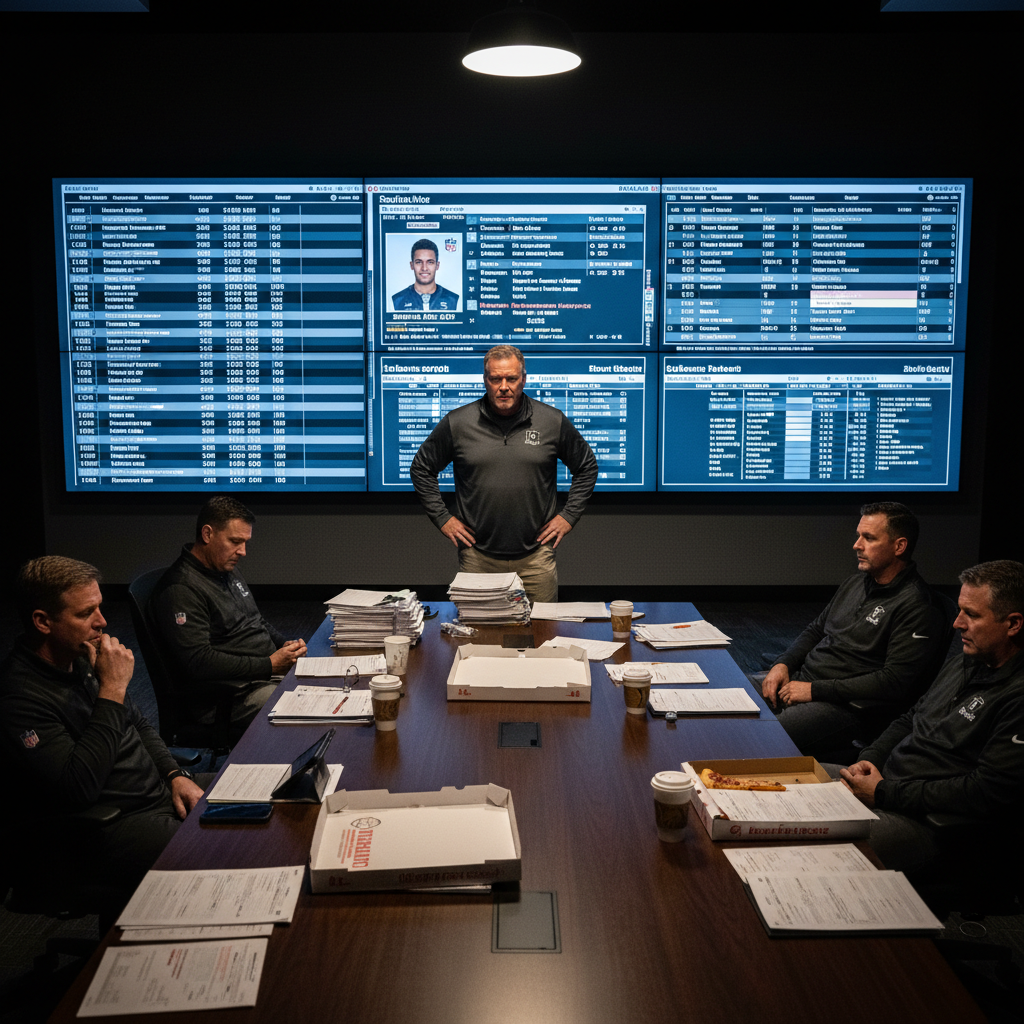
The drafting of Keon Coleman, a player seen by some as a developmental prospect rather than an immediate impact player, has raised questions about the strategic approach the Bills are adopting as they look to build and sustain a championship-caliber squad. Critics of Beane have argued that this pick deviates from the high-value, need-based selections that have characterized previous drafts, especially considering the team’s roster requirements heading into the next season.
To understand this controversy, it's important to examine the role of the coaching staff in shaping draft decisions. While general managers typically lead player acquisition strategies, the input and evaluation provided by coaches are pivotal in assessing a player's fit within the existing system. Bills' head coach and defensive coordinator both reportedly advocated for Coleman, emphasizing his versatility and athletic upside. This coaching endorsement has played a significant role in the ultimate decision, according to insider reports.
Despite this, many fans and analysts expressed dissatisfaction on social media platforms and sports forums, pointing out that the Bills might have overlooked other higher-rated prospects who could make a more immediate impact. This sentiment fueled calls for Brandon Beane's accountability, suggesting that the general manager should have overridden coaching preferences to prioritize the team's pressing needs on defense and special teams.
The role of ownership in such disputes is usually reserved to oversight and approval, yet the Bills owner stepped into the spotlight to clarify the internal decision-making landscape. He acknowledged the backlash but stressed that blaming Beane alone oversimplifies the process. In his public statements, the owner detailed how this draft pick was a combined effort that had strong backing from the coaching staff, indicating that the coaches bear substantial responsibility for the choice.
This type of ownership communication is relatively uncommon and signals an effort to manage public expectations and internal accountability. By attributing the draft outcome partly to the coaches, the owner may be attempting to shield the general manager from disproportionate criticism while encouraging a broader understanding of how collaborative NFL draft decisions can be.
Digging deeper into Keon Coleman's profile gives insight into why he attracted such mixed reactions. Known primarily as a cornerback with impressive height and speed, Coleman may not fit the prototype of an elite press-coverage corner but offers potential in zone coverage schemes and special teams roles. His college career showed flashes of strong play alongside inconsistencies that suggest he will require development to reach his ceiling.
The Bills have historically had success with players who require grooming but offer high upside potential, and Coleman fits this category. However, the challenge lies in balancing developmental players with immediate contributors, especially as the team aspires to contend in an increasingly competitive AFC environment. This balance is often the crux of draft debates among front office decisions and coaching philosophies.
Critics worry that overly deferring to the coaching staff risks creating a draft board that favors system fits over raw talent or long-term value. General managers are tasked with integrating multiple viewpoints and data-driven analysis to optimize draft outcomes, and fans expect these decisions to reflect a comprehensive strategy rather than singular influences.
On the other hand, team executives argue that coaches have the best understanding of the specific traits needed within their schemes and that their input is invaluable in avoiding misfits that can hamper player development and team performance. The Bills owner's defense of the coaches' role in Coleman's selection is therefore rooted in this practical rationale.
Moreover, this controversy opens a window into the often opaque nature of NFL draft decision-making. Unlike public-facing scouts, coaches and owners typically operate behind the scenes, contributing to a process that is both collaborative and complex. The public reaction to the Coleman pick underscores how fan and media expectations can clash with internal processes and philosophies.
Looking ahead, the Bills' performance during upcoming training camps and preseason games will be crucial in validating or refuting the wisdom of selecting Coleman. If he demonstrates rapid development and impact, the early criticism may be seen as premature and unfounded. Conversely, if the defensive secondary remains a weak spot, the spotlight will likely return to Beane and the coaching staff's decision-making acumen.
Ultimately, the Keon Coleman draft pick controversy serves as a case study in the multifaceted nature of roster building in the NFL. It highlights the intertwined responsibilities of general managers, coaches, and owners—and how these roles can lead to differing perspectives on what constitutes a successful draft strategy.
For the Bills, managing this internal dynamic while addressing fan concerns and competitive pressures will be paramount. Transparency in communication, ongoing player evaluation, and a willingness to adapt strategies based on outcomes are essential steps forward for the franchise as it seeks to maintain its competitive edge.
In summary, while the initial backlash targeted Brandon Beane for the Keon Coleman draft pick, the Bills owner’s statements have redirected some of the accountability toward the coaching staff. This shift underscores the collaborative nature of draft decisions and reflects broader tensions between front office and coaching philosophies. As the season approaches, only Coleman's on-field performance will ultimately settle the debate around this controversial selection.



0 Comments