
The ongoing Iran protests have reached a devastating milestone, with the death toll surpassing the grim mark of 3,400. These widespread protests, initially sparked by the death of Mahsa Amini in police custody, have evolved into a nationwide movement demanding justice and systemic change. However, the authorities' brutal response has had dire consequences for protesters, many of whom have been branded as finished off in efforts to suppress dissent.
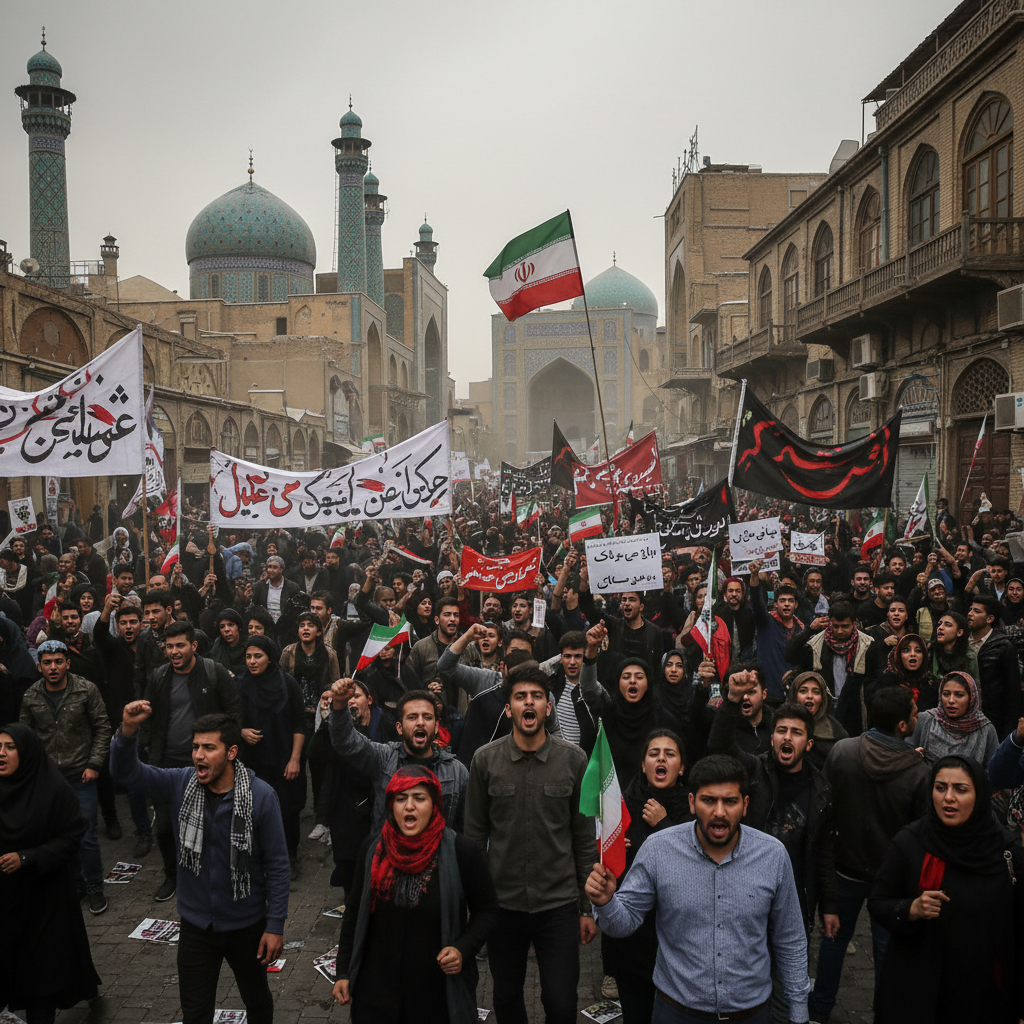
The international community has been closely monitoring the violent developments across Iranian cities. The crackdown by security forces has escalated, with reports of lethal force used against crowds, mass arrests, and ongoing clashes. Videos and eyewitness accounts highlight the severity of the situation, leading to growing unease among human rights organizations worldwide. As the death toll breaches the 3,400 figure, the scale of repression signals a crisis with far-reaching implications both within Iran and globally.
In this volatile climate, the United States has taken a cautious stance, issuing warnings to its citizens, especially those in Israel, where tensions are also heightened due to regional instability. The US State Department advises American citizens to stay vigilant and avoid non-essential travel, underscoring concerns about safety, terrorism threats, and potential spillover effects from Middle Eastern conflicts.
The Iran protests began in September 2022 when Mahsa Amini, a 22-year-old woman, died after being detained by the morality police for allegedly violating dress codes. Her death ignited outrage across Iran, exposing long-standing grievances related to government repression, economic hardship, and social restrictions. The movement rapidly expanded beyond Tehran, spreading to universities, small towns, and provincial areas, reflecting widespread dissatisfaction with the regime.
Authorities responded with an iron fist, deploying security forces to quell demonstrations. Reports indicate arbitrary arrests, harsh interrogations, and systematic efforts to silence opposition voices. The government’s narrative frames protesters as dangerous elements, while activists claim they are fighting for human rights and democracy. This relentless back-and-forth has marked the protest period with heightened violence and a tragic loss of life.
International human rights organizations have condemned the crackdown, accusing Iranian officials of using excessive force and violating basic freedoms. Amnesty International and Human Rights Watch have documented cases of abuse, torture, and extrajudicial killings. Documentation and satellite imagery have revealed mass graves and other signs of large-scale violence, further igniting global outrage.
Social media has played a crucial role in keeping the world informed despite government-imposed internet blackouts and censorship. Citizen journalists and activists in Iran use VPNs and encrypted messaging apps to share firsthand footage and updates, helping to maintain international pressure on the regime. This digital resistance has become a lifeline for Iranian voices trying to break through state-controlled information channels.
The death toll crossing the 3,400 mark represents a sobering reminder of the human cost of these protests. Many victims are young, emphasizing a generational clash and the determination of Iran’s youth to seek change. Families of victims call for accountability, demanding justice for those who died or disappeared amid police and militia operations.
Meanwhile, the regional security environment remains precarious. The US warnings to citizens in Israel reflect fears of escalated tensions between Israel and neighboring countries, including Iran’s proxies. This cautionary approach highlights how unrest in Iran intersects with broader geopolitical dynamics, impacting travel advisories and international relations.
Efforts to mediate or de-escalate the conflict have seen limited success. Diplomatic engagement continues behind the scenes, though trust between the Iranian government and international actors remains low. The global community faces a dilemma: how to support democratic aspirations and human rights in Iran while managing strategic interests in the Middle East.
Economic sanctions and international isolation have long been tools used against Iran, influencing its domestic policies and foreign behavior. However, the current protests demonstrate that Iranians are driven by deeply rooted frustrations that economic measures alone cannot address. The call for fundamental reform, transparency, and rule of law echoes loudly across the country.
As these protests continue, it is crucial for international organizations, governments, and civil society to maintain attention and solidarity with Iranian citizens seeking change. Raising awareness, providing humanitarian aid, and advocating for human rights protections are essential components of global response efforts.
Iran’s political landscape remains uncertain, with each passing month revealing new challenges and shifts. The resilience of protestors and the harshness of the crackdown paint a complex picture of a nation at a crossroads. Whether these protests will lead to significant political transformation or prolonged repression is yet to be seen.
In conclusion, the Iran protests LIVE coverage reveals a grim yet vital narrative of resistance and repression. The death toll exceeding 3,400 is both a tragic benchmark and a call to the international community to remain engaged. With the US issuing cautionary advice to its citizens in Israel amid regional instability, the situation underscores the interconnectedness of Middle Eastern affairs. Continued monitoring, support for human rights, and diplomatic efforts are necessary to address the unfolding crisis in Iran.



0 Comments